Engine Warning Light On? What to Do in the First 10 Minutes
The engine warning light just came on. Here is how to tell a loose fuel cap from a problem that means stopping the car right now.


The engine warning light has a way of appearing at the worst moment: on the highway, on the school run, or two days before a long trip. It is one of the most misunderstood symbols on the dashboard, partly because it covers everything from a fuel cap you did not tighten properly to a serious misfire. The good news is that the first ten minutes are mostly about reading the situation calmly, not making expensive decisions. This guide walks you through what the light actually means, when you can keep driving, when you need to stop, and how a cheap code reader can save you from paying a garage just to be told what is wrong.
Amber or red: read the color first
Before anything else, look at how the light is behaving. Color and movement tell you most of what you need to know in the first minute.
A steady amber or yellow engine symbol (often shaped like a little engine block, sometimes labeled "Check Engine") means the car's computer has logged a fault and wants it looked at, but it is not usually telling you to stop immediately. You generally have time to finish your journey, or at least get somewhere safe, and book a check.
A red warning light, or any warning light that is flashing, is a different matter. Red is the car's way of saying something could cause damage or is a safety risk right now. A flashing engine light in particular usually indicates a misfire, where unburned fuel can overheat and ruin the catalytic converter, an expensive part. If the light is red or flashing, treat it as "stop safely and get help," not "drive on and see."
What "stop safely" actually means
Stopping safely does not mean slamming on the brakes. Ease off the accelerator, signal, and move to the shoulder, a parking area, or a side street away from moving traffic. Turn on your hazard lights. If you smell burning, see smoke, or the temperature gauge is climbing into the red, switch the engine off once you are stopped. Then call roadside assistance or a garage rather than nursing the car along.
What usually triggers the light
The engine warning light can be set by dozens of different fault codes, but a handful of causes come up again and again. Some are genuinely minor. Others are not. The difficulty is that the single light looks identical whether the problem is trivial or serious, which is exactly why reading the code matters.
Commonly reported harmless or low-cost causes include:
- A loose or faulty fuel cap. This is the classic one. A cap that is not clicked tight lets fuel vapor escape, the system detects a leak in the evaporative emissions circuit, and the light comes on. Tighten it until it clicks, and the light may clear itself after a few drives.
- A failing oxygen or air-flow sensor. These sensors wear out over time. The car often still drives normally, but fuel economy and emissions suffer, so it is worth fixing rather than ignoring.
- A dirty or aging spark plug or ignition coil. Early on this may just be a steady light; if it worsens into a misfire, the light can start flashing.
More serious causes that deserve prompt attention include a genuine misfire (flashing light), problems with the catalytic converter, or faults in the engine management that put the car into a reduced-power "limp" mode. If the car suddenly feels gutless, holds itself to low revs, or shakes at idle, that is the car protecting itself, and it needs a professional.
Reading the code yourself
Since 1996 in the US, 2001 for gas cars in the UK and Europe (2004 for diesels), and 2006 for most new cars in Australia, vehicles have used a standard system called OBD-II. It means almost any car built in the last two decades has a 16-pin diagnostic socket, usually under the dashboard near the steering column, and a standard way of reporting fault codes.
A basic plug-in code reader costs around $20 to $40 (roughly £15 to £35, or A$30 to A$60). Bluetooth dongles that pair with a phone app sit in a similar range, sometimes a little more. You plug it in, turn the ignition to the "on" position without necessarily starting the engine, and the reader pulls a code such as P0420 or P0300. The app or a quick search tells you roughly what that code points to.
Here is the honest part: a code reader tells you where to look, not always what to replace. Code P0171 ("system too lean") can be a cheap air leak or a failing sensor; it takes diagnosis to be sure. But walking into a garage knowing the stored code changes the conversation. Instead of paying a diagnostic fee of around $50 to $150 (£40 to £120, A$80 to A$200) just to be told the code, you can describe the symptoms, name the code, and ask directly what it would take to fix.
| Light behavior | Likely meaning | Safe to keep driving? | What to do |
|---|---|---|---|
| Steady amber, car drives normally | Minor fault logged (e.g. loose fuel cap, aging sensor) | Usually yes, short term | Check fuel cap, read the code, book a check within days |
| Steady amber, car feels sluggish or in limp mode | Fault serious enough to limit power | Drive gently to a safe stop | Avoid high speeds, get it checked soon |
| Flashing amber or yellow | Active misfire; risk to catalytic converter | No | Stop safely as soon as you can, get help |
| Red light or warning | Immediate risk (overheating, oil pressure, etc.) | No | Pull over, switch off, call assistance |
Why clearing a code is not a fix
Many code readers can also erase codes and turn the light off. That is tempting, and there is a narrow case where it makes sense: you have tightened the fuel cap, you are confident that was the cause, and you want to see whether the light stays off. But clearing a code without fixing the underlying problem does not repair anything. The fault will usually log again within a few drive cycles, and the light will return.
There is a catch worth knowing if you have a vehicle inspection coming up. In the US, emissions testing in many states checks that the OBD system has run its internal "readiness monitors." Clearing codes resets those monitors, and they can take days of varied driving to complete. Turn up to an emissions test too soon after clearing a code and the car may fail simply because it is "not ready." The UK MOT and the Australian roadworthy or registration inspection work differently and vary by state or region, but the principle holds across all of them: clearing a light to pass a test does not make the underlying fault go away, and an illuminated warning light can itself be a failure point.
When the garage is still the better call
A code reader is a conversation tool, not a replacement for a mechanic. Spend the money on professional diagnosis when the light is red or flashing, when the car is in limp mode, when the same code keeps coming back after a repair, or when the code points to something you are not equipped to safely work on, such as the fuel or emissions system. There is no shame in that. The reader has already done its job by telling you what you are dealing with.
The short version
- Steady amber usually means "check soon." Red or flashing means stop safely and get help.
- A flashing light often signals a misfire that can damage the catalytic converter, so do not keep driving.
- Start with the simple stuff: tighten the fuel cap until it clicks, as a loose cap is a very common cause.
- A $20 to $40 code reader lets you learn the fault code and avoid paying a garage just to be told it.
- Clearing a code does not fix anything, and it can make you fail an emissions or inspection check.
Daniel Hart
Editor, Car & Garage · Columbus, Ohio
Daniel edits the Car & Garage section. He writes about the plug-in scanners, dash cams and chargers that help drivers understand their cars and avoid unnecessary repair bills, and he is clear about when a professional mechanic is still the right call.
Keep reading
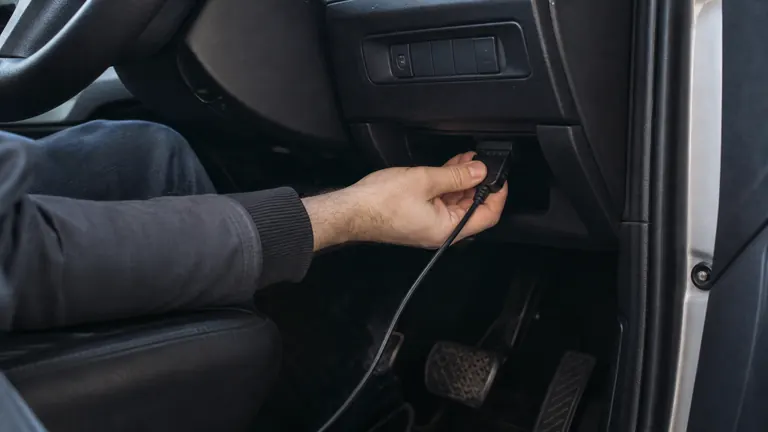
What Is an OBD2 Scanner, and Do You Actually Need One?
That little socket under your dashboard can tell you why the check engine light is on. Here's what a scanner reads, what it costs, and who really benefits.
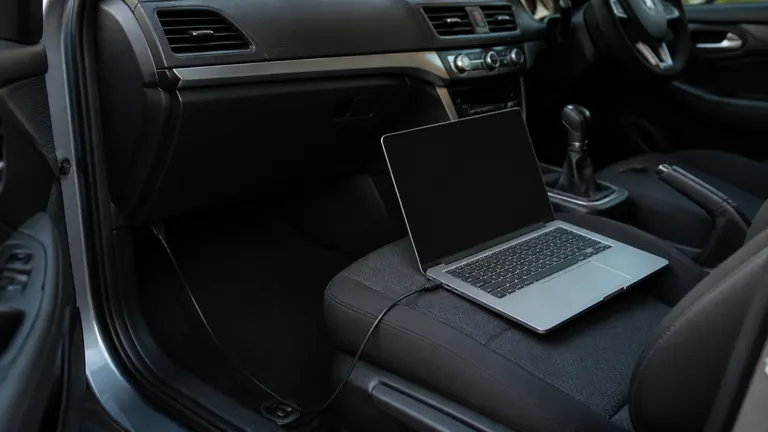
Hidden Car Features: What 'Coding' Can Unlock on VW, Audi and BMW
Many German cars ship with features switched off in software. Here is what coding through the OBD port can turn on, and the risks worth knowing first.
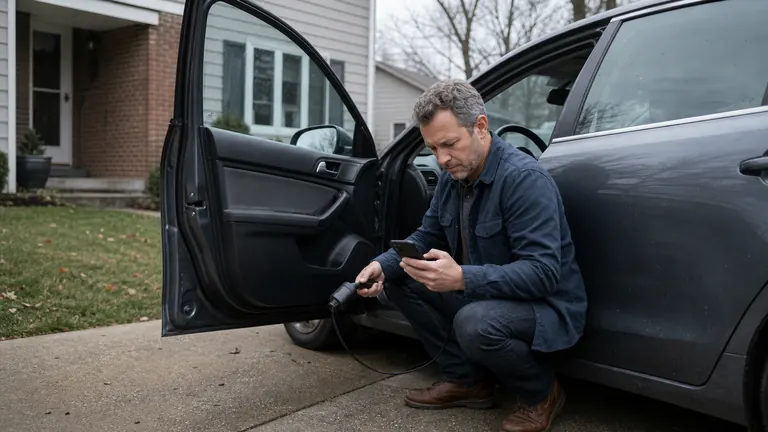
Buying a Used Car? How a Cheap Scanner Can Help
A plug-in scanner costing around $25 to $50 can reveal hidden faults and recently cleared warning lights before you hand over your money.
Comments
No comments yet. Share your experience or ask a question.