Anti Snoring Devices: What Actually Works to Stop Snoring
From chin straps to smart pillows and mouthpieces, here's what the evidence really says about anti snoring gadgets, and when to see a doctor instead.

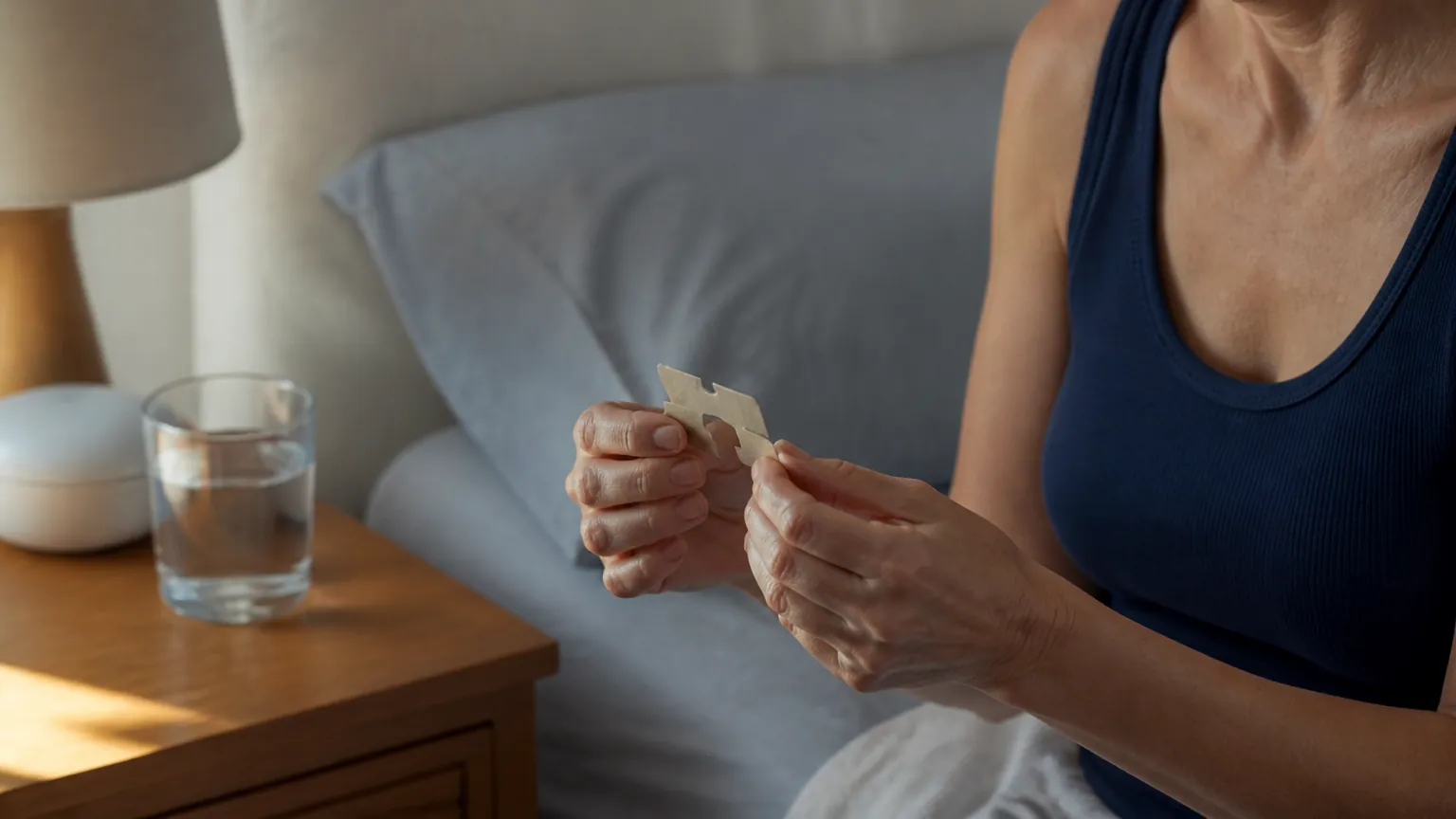
Snoring is one of those problems that feels minor until it isn't. It wakes partners, fractures sleep, and sends people searching for a quick fix at 2 a.m. This season, anti snoring devices are everywhere on TikTok and Instagram, from glowing "smart" pillows to mouth tape and wrist-worn gadgets that buzz when you roll onto your back. Some of these ideas are decades old, repackaged with an app. A few are genuinely useful for the right person. Others are harmless but unlikely to do much, and a small number can mask a serious health issue. This guide walks through the main types, what the evidence actually supports, realistic prices, and the point at which you should stop shopping and talk to a doctor.
Why you snore in the first place
Snoring is the sound of soft tissue vibrating as air squeezes past a partly narrowed airway while you sleep. Muscles in your throat and tongue relax, the airway gets smaller, and turbulent airflow makes the tissues flutter. Anything that narrows the airway tends to make it worse: sleeping on your back, nasal congestion, alcohol in the evening, extra weight around the neck, and simply getting older.
That matters because it tells you what any gadget is trying to do. Broadly, anti snoring devices try one of a few things: hold your jaw or tongue forward, keep your nasal passages open, stop you sleeping on your back, or detect the sound and nudge you to shift position. Knowing which mechanism a device uses is the fastest way to judge whether it stands a chance for your particular snore.
Snoring versus sleep apnea
This is the single most important distinction in the whole topic. Simple snoring is noisy but you keep breathing. Obstructive sleep apnea (OSA) is when the airway repeatedly collapses and you stop breathing for seconds at a time, often many times an hour. OSA is linked to high blood pressure, heart problems, and daytime exhaustion. No consumer gadget diagnoses or treats it reliably. If you snore loudly and also gasp or choke in your sleep, wake unrefreshed, or feel sleepy during the day, treat that as a medical issue, not a shopping problem.
The main types of anti snoring devices
Here's where the money goes, and what each category is realistically trying to achieve.
Mandibular advancement devices (jaw mouthpieces)
These mouthguards push your lower jaw slightly forward, which opens the airway behind the tongue. Among over-the-counter anti snoring devices, this category has the most supporting evidence for reducing snoring, and dentist-made versions are an established treatment for mild OSA. Boil-and-bite drugstore versions cost around $25 to $60. Custom devices made by a dentist run into several hundred dollars and sometimes more. Downsides are real: jaw ache, drooling, and tooth movement over months. If you have dental work, loose teeth, or jaw problems, check with a dentist before using one.
Tongue-stabilizing devices
These hold the tip of your tongue forward with gentle suction. They avoid pressure on your teeth, which suits some people, but many find them uncomfortable and give up. Evidence is thinner than for jaw devices. Prices are usually around $20 to $40.
Nasal strips, dilators and cones
Adhesive strips on the outside of the nose, or small dilators inside the nostrils, widen the nasal opening. If your snoring is mainly nasal, these can help, and they're cheap at roughly $8 to $20 for a pack. They do nothing for throat-based snoring, which is the more common kind, so results are hit and miss.
Positional devices and smart wearables
Many people only snore on their back. Positional therapy keeps you on your side, from a simple tennis ball sewn into a nightshirt to wearable buzzers worn on the chest or wrist that vibrate when you roll over. These range from almost nothing to around $50 to $150 for app-connected versions. The underlying idea is sound, and for back-only snorers it can be effective.
Smart pillows and anti-snore beds
These detect snoring sound and gently inflate or tilt to shift your head or encourage a position change. They're the glossiest and priciest category, commonly $150 to $600 and up. Manufacturers claim meaningful reductions in snoring; independent evidence is limited, and what exists is mixed. If you like the idea of a hands-off device and have the budget, treat it as an experiment rather than a guaranteed fix.
Mouth tape
The current viral favorite. Taping your lips encourages nasal breathing. For light snorers who breathe through their mouth out of habit, some people report quieter nights. But the evidence is thin, and there's a genuine safety concern: if your nose is blocked or you have undiagnosed sleep apnea, restricting mouth breathing is a bad idea. Don't tape a child's mouth, and don't use it if you have nasal congestion, obesity-related breathing issues, or any gasping at night.
How the options compare
The table below is a rough guide, not a ranking. "Evidence" reflects the general strength of published research for snoring specifically, not a measurement we made.
| Device type | Typical price (USD) | Best for | Strength of evidence | Main drawback |
|---|---|---|---|---|
| Jaw mouthpiece (MAD) | $25 to $60 (OTC) | Throat/tongue snoring | Strongest for OTC | Jaw ache, tooth movement |
| Tongue device | $20 to $40 | Tongue-based snoring | Modest | Comfort, drop-out rate |
| Nasal strips/dilators | $8 to $20 | Nasal snoring only | Mixed, modest | No effect on throat snoring |
| Positional wearable | $50 to $150 | Back-only snorers | Reasonable for its niche | Useless if you snore on your side |
| Smart pillow/bed | $150 to $600+ | Hands-off approach | Limited, mixed | Cost vs uncertain benefit |
| Mouth tape | $10 to $20 | Habitual mouth-breathers | Thin | Risky with blocked nose or apnea |
Running costs, charging and the practical details
Most anti snoring devices either cost nothing to run or sip tiny amounts of power. A rechargeable positional wearable or a smart pillow controller might draw a few watts while charging. Even if a device and charger averaged 5 watts over 8 hours, that's 0.04 kWh a night, or about 14.6 kWh a year. At roughly 17 US cents per kWh that's about $2.50 a year; at about 25p in the UK around £3.65; at around 30 Australian cents near A$4.40. In other words, the electricity is negligible. The real costs are the purchase price and the consumables, such as replacement nasal strips or tape, which add up over months.
A few practical points worth checking before you buy:
- Cleaning. Mouthpieces and tongue devices go in your mouth every night. Confirm they're easy to clean and made from food-safe material.
- Charging standard. Rechargeable wearables almost all use USB-C now, which is convenient if you travel. If a device ships with a wall plug, remember plug types and mains voltage differ: roughly 120 V in the US and Canada, 230 V in the UK, 230 to 240 V in Australia. Most USB chargers are multi-voltage, but check the label.
- App and data. Smart devices often record audio or sleep data. Check what's stored and where. Privacy rules differ: the UK and EU fall under GDPR, Australia under the Privacy Act, and the US varies by state with no single federal standard.
- Returns. Comfort is personal. Buy where you can return a mouthpiece or pillow if it doesn't suit you.
Everyday habits that cost nothing
Before spending on gadgets, the dull basics genuinely move the needle for many people. Cutting back on alcohol in the few hours before bed, losing some weight if you're carrying extra around the neck, treating nasal congestion, and sleeping on your side all reduce snoring for a meaningful share of snorers. A supportive sleep setup helps too. If you're already improving your bedroom routine, our pieces on sunrise alarm clocks and what the light actually does and whether smart sleep masks improve your sleep are worth a read, and if you tend to feel cold at night, our guide to how rechargeable heated gloves and socks work explains the warmth tech without the hype.
When to see a doctor
Treat snoring as a medical question, not a gadget question, if any of the following apply: you or a partner notice you gasping, choking, or stopping breathing in your sleep; you feel exhausted or fall asleep during the day despite enough hours in bed; you have morning headaches, high blood pressure, or trouble concentrating; or your snoring has suddenly got much worse. In the US you'd typically start with your primary care doctor or a sleep clinic; in the UK through your GP and NHS referral; in Australia through your GP, who can arrange a sleep study. A proper diagnosis can rule out sleep apnea and point you toward treatments that actually work for your situation, including dentist-fitted devices or, where needed, a CPAP machine.
The short version
- Jaw-advancing mouthpieces have the strongest evidence among over-the-counter anti snoring devices; nasal strips help only nasal snoring.
- Positional wearables work well if, and only if, you snore mainly on your back.
- Smart pillows and mouth tape are popular online but backed by limited, mixed evidence; treat them as experiments.
- Free habits (less evening alcohol, side sleeping, clearing a blocked nose, weight loss) help many people.
- Gasping, choking, or daytime exhaustion means stop shopping and see a doctor to rule out sleep apnea.
Tom Ashworth
Sleep, Health Tech & Travel writer · Manchester
Tom writes about sleep and health tech, travel gadgets and outdoor gear. He looks past spec sheets to how a gadget fits into everyday life, and he is wary of health claims that go beyond the evidence.
Keep reading
Garmin Venu 3 Review: Battery King, Smartwatch Compromise
Our Garmin Venu 3 review weighs multi-day battery and solid health tracking against a limited app store and some post-update niggles owners report.
Fitbit Inspire 3 Review: Light, Honest, Subscription-Gated
A level-headed look at the Fitbit Inspire 3, pulling together the maker's specs and what owners actually report after living with it day and night.
Fitbit Charge 6 Review: Honest Look at the Google-Powered Band
An honest look at the Fitbit Charge 6: strong heart-rate accuracy and comfort, but wobbly GPS and a paywall that frustrates owners.
Comments
No comments yet. Share your experience or ask a question.